
Understanding gambling addiction Recognizing warning signs for a healthier life
What is Gambling Addiction?
Gambling addiction, also known as compulsive gambling or pathological gambling, is a behavioral condition characterized by an uncontrollable urge to gamble despite the negative consequences. Individuals suffering from this addiction often prioritize gambling over personal relationships, work, and even basic responsibilities. This compulsive behavior can lead to severe financial and emotional distress, impacting not only the individual but also their loved ones. Many people turn to platforms like https://chicken-road-2-app.com/ for gaming entertainment, but they should remain aware of the potential risks associated with gambling.
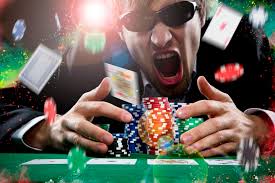
Many people misunderstand gambling addiction, believing it only affects those who lose money frequently. However, even individuals who gamble in moderation can develop an addiction. The thrill of the game, the pursuit of winning, and the escapism gambling offers can easily lead to compulsive behaviors that are hard to recognize initially.
Recognizing the Warning Signs
Identifying the warning signs of gambling addiction is crucial for early intervention. Common indicators include preoccupation with gambling, needing to gamble with increasing amounts of money to achieve the same level of excitement, and unsuccessful attempts to control or stop gambling activities. People with gambling addiction may also lie about their gambling habits or engage in illegal activities to support their gambling.
Emotional symptoms such as irritability, anxiety, and depression can also surface, especially when the individual is not gambling. If someone you know exhibits these behaviors or displays a significant change in their daily routine, it may be time to address the issue and encourage them to seek help.
Myths vs. Facts About Gambling Addiction
Many myths surround gambling addiction, leading to misunderstandings that can prevent individuals from seeking help. One common myth is that gambling addiction only affects certain types of people, such as those who are irresponsible or reckless. In reality, gambling addiction can affect anyone, regardless of their background, education, or financial status. Understanding the specific context of game platforms like chicken road can help clarify these misconceptions.
Another prevalent myth is that individuals can simply control their gambling if they try hard enough. The truth is that gambling addiction is a complex disorder that often requires professional help. Understanding these myths versus facts can foster a more supportive environment for those affected and encourage open conversations about seeking assistance.
Steps Toward Recovery
Recovery from gambling addiction is a journey that often requires support from professionals, family, and friends. The first step is recognizing the problem and acknowledging that gambling has become an issue in one’s life. Many individuals benefit from therapy, support groups, and counseling, which can provide valuable coping strategies and resources for managing urges.
Developing healthy alternatives to gambling, such as engaging in hobbies, exercise, or spending time with loved ones, can also play a significant role in recovery. Establishing a strong support network is crucial, as it helps individuals stay accountable and reinforces positive changes in behavior.
Conclusion and Resources
Understanding gambling addiction and recognizing its warning signs are essential for promoting healthier lifestyles for individuals and their families. Education and awareness can pave the way for better support and intervention strategies. If you or someone you know is struggling with gambling addiction, resources are available to help. Reaching out for professional help can make a significant difference in reclaiming a balanced life.
For those seeking a fun and engaging way to experience gaming, consider exploring platforms that emphasize responsible gaming practices. Engaging with games that prioritize healthy habits can enhance the gaming experience while promoting well-being. Finding enjoyment in gaming without falling into harmful patterns is key for a fulfilling recreational activity.